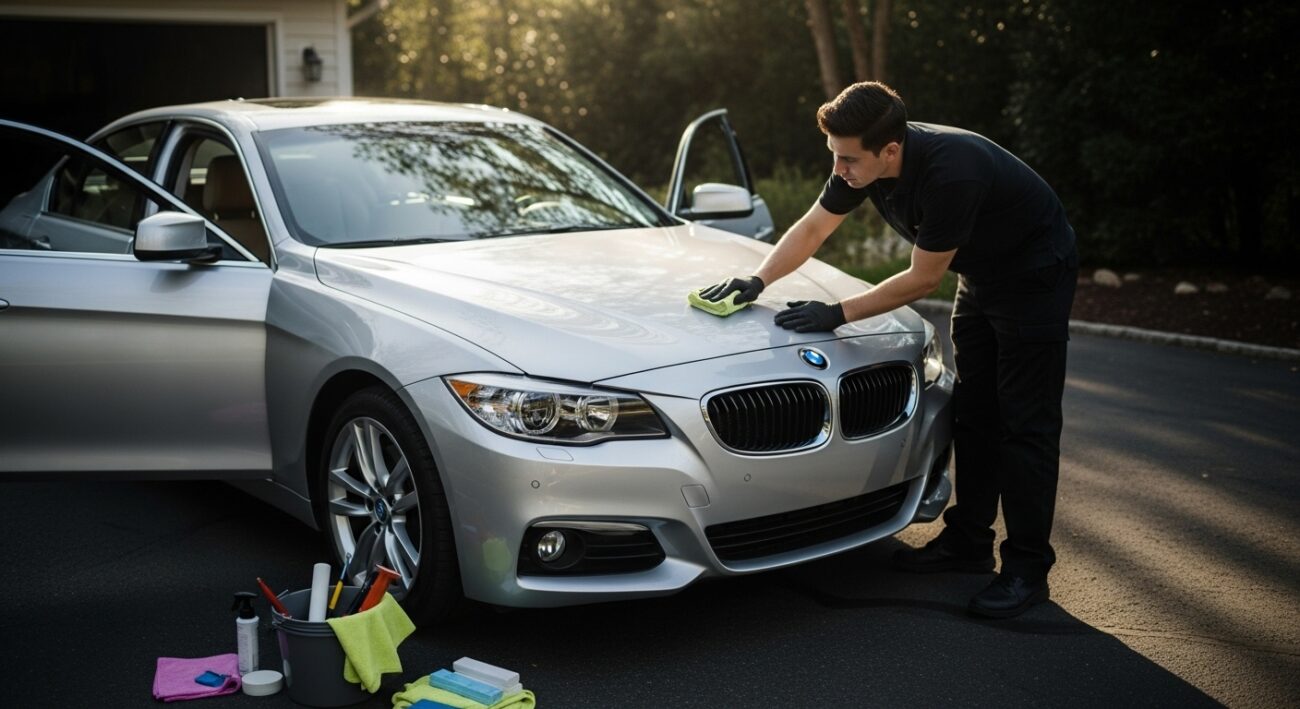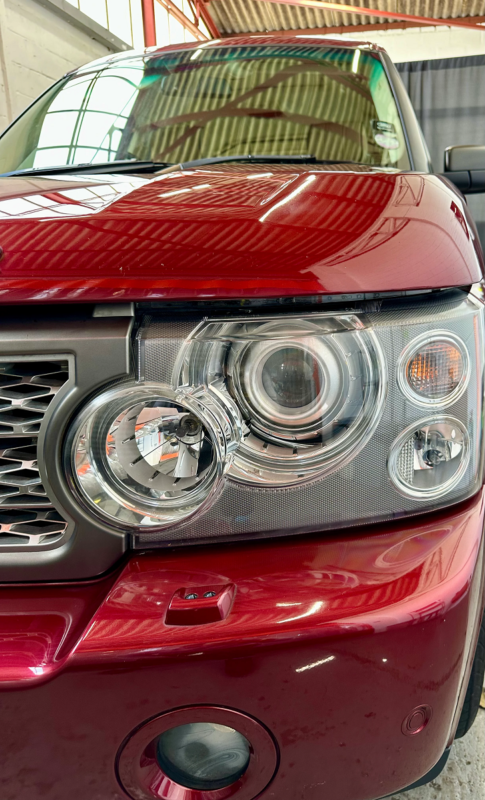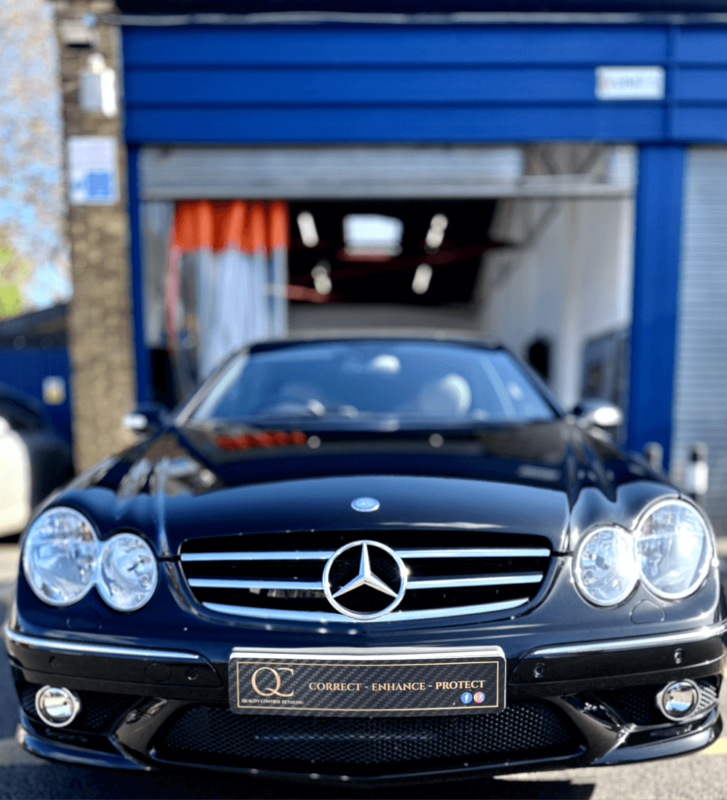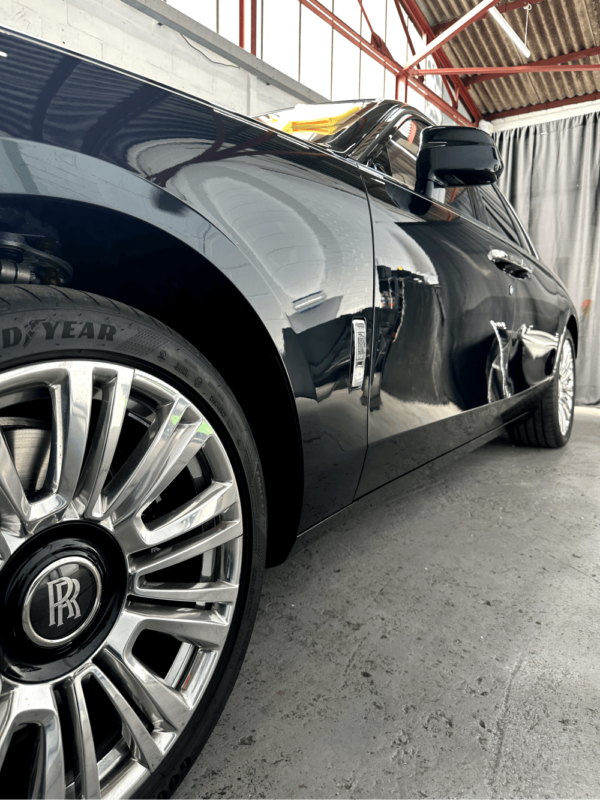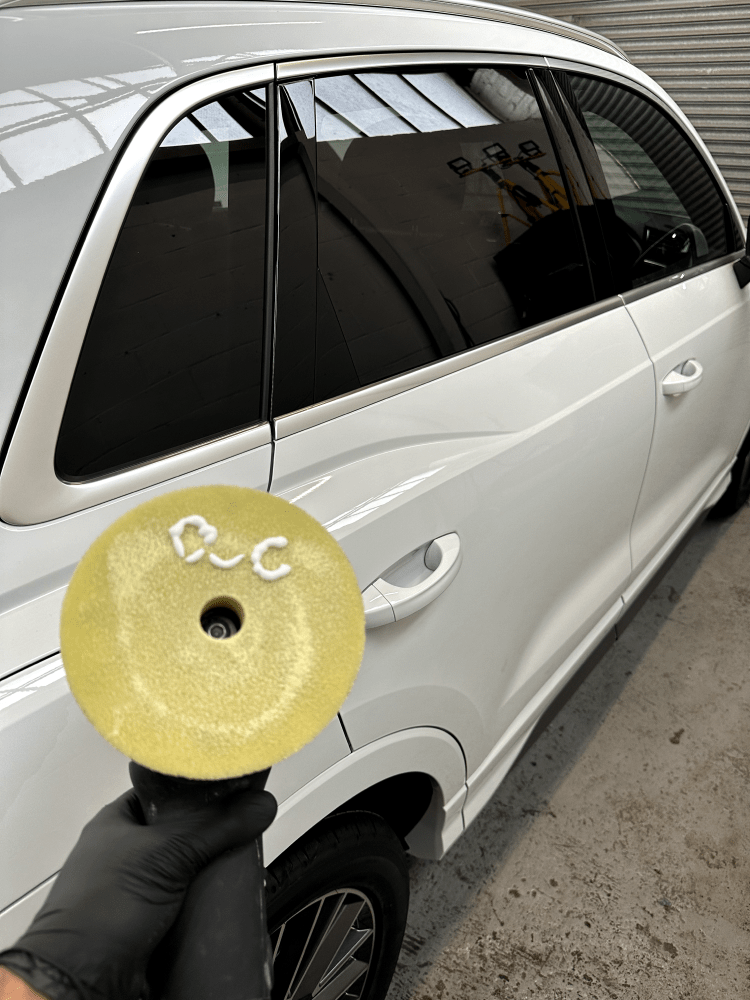
Swirl marks, light scratches and dull paintwork can make even a well-maintained car look tired. Professional paint correction can significantly improve the finish by carefully polishing the painted surfaces to reduce suitable defects and restore clarity and gloss.
But how long does paint correction actually take, and what happens during the process?
At QC Detailing, a comprehensive paint correction typically takes 2–5 days, including washing, decontamination, paint inspection, preparation and machine polishing. The time required depends on the vehicle’s condition, size and the level of correction being carried out.

What Is Car Paint Correction?
Paint correction is a controlled machine-polishing process designed to improve defects in a vehicle’s paint finish, particularly the clear coat.
Common issues include:
- Swirl marks caused by washing and drying
- Fine surface scratches
- Holograms and previous polishing marks
- Certain types of oxidation and dullness
- Some water-spot marks and light etching
Rather than temporarily concealing defects, appropriate polishing techniques can reduce or remove suitable imperfections by carefully refining the paint surface.
However, not every scratch can be safely removed. Deep scratches, damaged clear coat and certain forms of paint deterioration may require other repairs.
How Long Does Paint Correction Take?
At QC Detailing, comprehensive paint correction typically takes 2–5 days, including washing, decontamination, paint inspection, preparation and machine polishing.
The time required depends on several factors:
- Paint condition: Heavily swirled, scratched or previously poorly polished paintwork may require additional work.
- Vehicle size: Larger vehicles generally have more painted surface area to assess and correct.
- Paint characteristics: Different paint finishes respond differently to polishing.
- Desired outcome: A lighter enhancement and a more extensive correction require different levels of work.
- Complexity: Bodywork design, delicate areas and existing repairs can affect the process.
A realistic timeframe can only be established after assessing the vehicle and discussing the desired results.
If ceramic coating is also required, an additional day may be needed for application and associated preparation. The overall schedule depends on the coating system and its curing requirements.
The Professional Paint Correction Process
1. Initial Paint Inspection
We begin by assessing visible defects, overall paint condition and areas requiring particular care. Where appropriate, paint thickness measurements and polishing tests help determine a suitable approach.
The aim is not to remove as much clear coat as possible. It is to achieve a worthwhile visual improvement while preserving the paint finish.
2. Washing and Decontamination
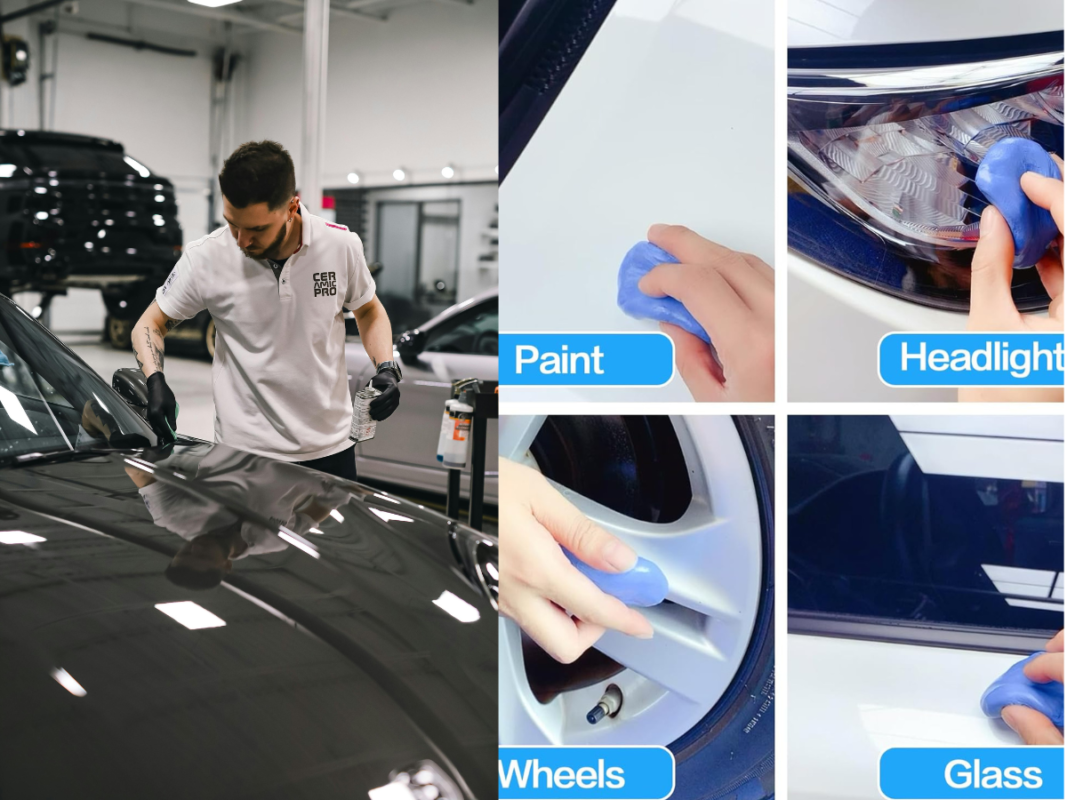
Before polishing, the vehicle is thoroughly cleaned. Washing removes surface dirt, while suitable chemical and mechanical decontamination methods help address bonded contaminants such as tar and iron fallout.
Proper preparation reduces the risk of introducing additional defects during polishing.
3. Preparation and Test Polishing
Sensitive trim and surrounding components are protected where necessary. We then select suitable polishing equipment, pads and compounds according to how the paint responds.
Test polishing helps establish an effective method before progressing across the vehicle.
4. Machine Polishing and Refinement
Depending on the paint condition, correction may involve a lighter polishing approach or more extensive cutting and refining stages.
The objective is to reduce visible defects while improving clarity, gloss and depth. Not every mark should be pursued to complete removal, particularly where excessive clear-coat removal would be required.
5. Final Inspection and Protection
Following polishing, the finish is inspected and remaining polishing residues are addressed as appropriate.
Paint correction improves appearance but does not, by itself, provide lasting protection against new scratches or environmental contamination.
A suitable wax, sealant or ceramic coating may be recommended depending on the owner’s maintenance preferences and requirements.
Can Paint Correction Remove Every Scratch?
No. Light scratches and swirl marks within the clear coat can often be improved substantially, but deeper scratches, stone chips, clear-coat failure and severe paint damage may not be safely correctable through polishing.
At QC Detailing, the recommended approach depends on the condition of the vehicle rather than a promise of flawless results.
Is Paint Correction Worth It?
For vehicles affected by swirl marks, dullness or suitable surface defects, professional paint correction can make a noticeable difference to the appearance of the paintwork.
It may be particularly worthwhile before applying a longer-term protective coating, when preparing a vehicle for sale, or when an owner simply wants to improve its appearance.
However, not every vehicle requires extensive correction. Some benefit more from a lighter enhancement, while others may need paint repairs rather than polishing.
Should You Apply Ceramic Coating After Paint Correction?
Ceramic coating can be a useful option after paint correction, particularly for owners seeking easier maintenance and additional resistance to certain environmental contaminants.
Correcting suitable paint defects first can provide a better visual foundation before coating application.
However, ceramic coating is not scratchproof and does not prevent stone chips. Its performance depends on the product, preparation, application and ongoing care.
Learn more about our professional ceramic coating service.
Professional Paint Correction vs DIY Polishing
DIY polishing can improve certain minor defects, but achieving consistent results requires an understanding of polishing equipment, abrasive combinations and paint behaviour.
Using an unsuitable method can introduce holograms, leave an uneven finish or remove more clear coat than necessary.
Professional paint correction offers a tailored approach, with the level of work determined by the vehicle’s condition and what can reasonably be achieved.
Frequently Asked Questions
How long does professional paint correction take?
At QC Detailing, comprehensive paint correction typically takes 2–5 days, including washing, decontamination, preparation and machine polishing. Additional time may be needed if ceramic coating is included.
Does paint correction permanently remove swirl marks?
Suitable defects removed through polishing are physically corrected rather than temporarily concealed. However, new swirl marks can develop through subsequent washing, drying or everyday use.
Does paint correction damage clear coat?
Machine polishing removes a controlled amount of surface material. Appropriate assessment and technique are essential because clear coat is finite and excessive polishing can cause damage.
Do I need ceramic coating after paint correction?
No. Ceramic coating is optional. The most suitable protection depends on how the vehicle is used, maintained and stored.
Can older cars benefit from paint correction?
Yes, provided the paintwork is in suitable condition. An inspection helps determine whether polishing is appropriate and what level of improvement is realistic.
Paint Correction Tailored to Your Vehicle
Every vehicle’s paintwork is different. At QC Detailing, we assess the condition of the finish and recommend a suitable level of preparation, correction and protection based on the vehicle and your priorities.
We provide professional detailing services across Windsor, West London and surrounding areas.
To understand what may be achievable for your vehicle, explore our professional paint correction service or contact QC Detailing to discuss your requirements.