The Complete Guide to Professional Car Detailing.
Professional car detailing goes far beyond a standard car wash. It involves restoring, cleaning and protecting a vehicle using specialist products, equipment and techniques designed to improve appearance and preserve long-term value. Whether you’re considering paint correction, ceramic coating, interior detailing or upholstery cleaning, understanding what professional detailing involves can help you choose the right service for your vehicle. This guide explains everything you need to know about professional car detailing and when it may be worth the investment.
What Is Car Detailing?

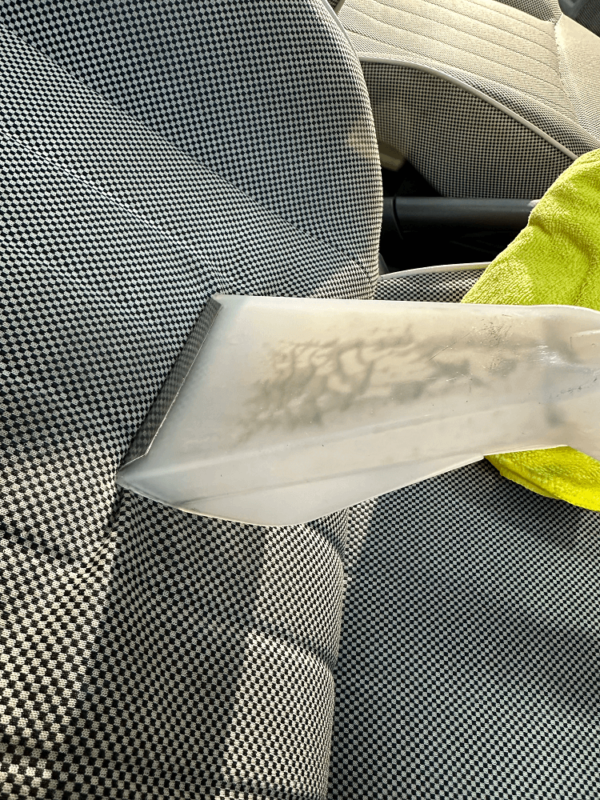
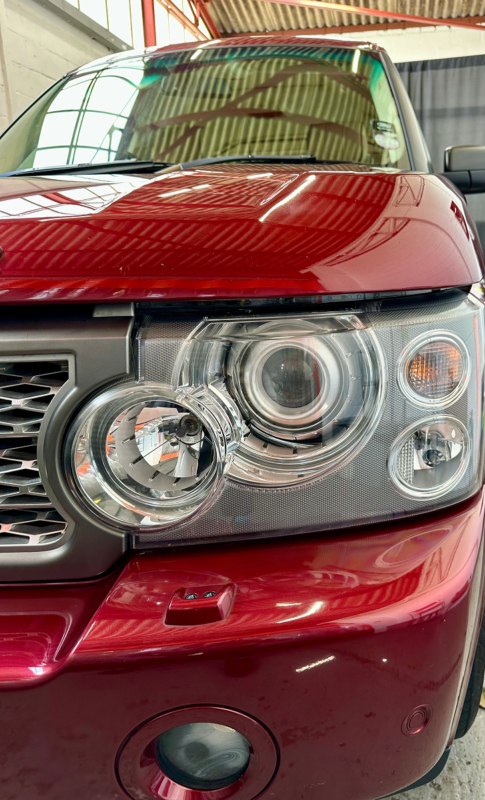
Car detailing is a professional cleaning, restoration and protection process for both the interior and exterior of a vehicle. Unlike a standard car wash, detailing focuses on deep cleaning, surface preparation, paint enhancement and long-term protection. A proper detailing service can include interior cleaning, upholstery cleaning, exterior decontamination, polishing, paint correction, ceramic coating preparation and protection for trims, glass and paintwork.
Car Detailing vs Car Washing
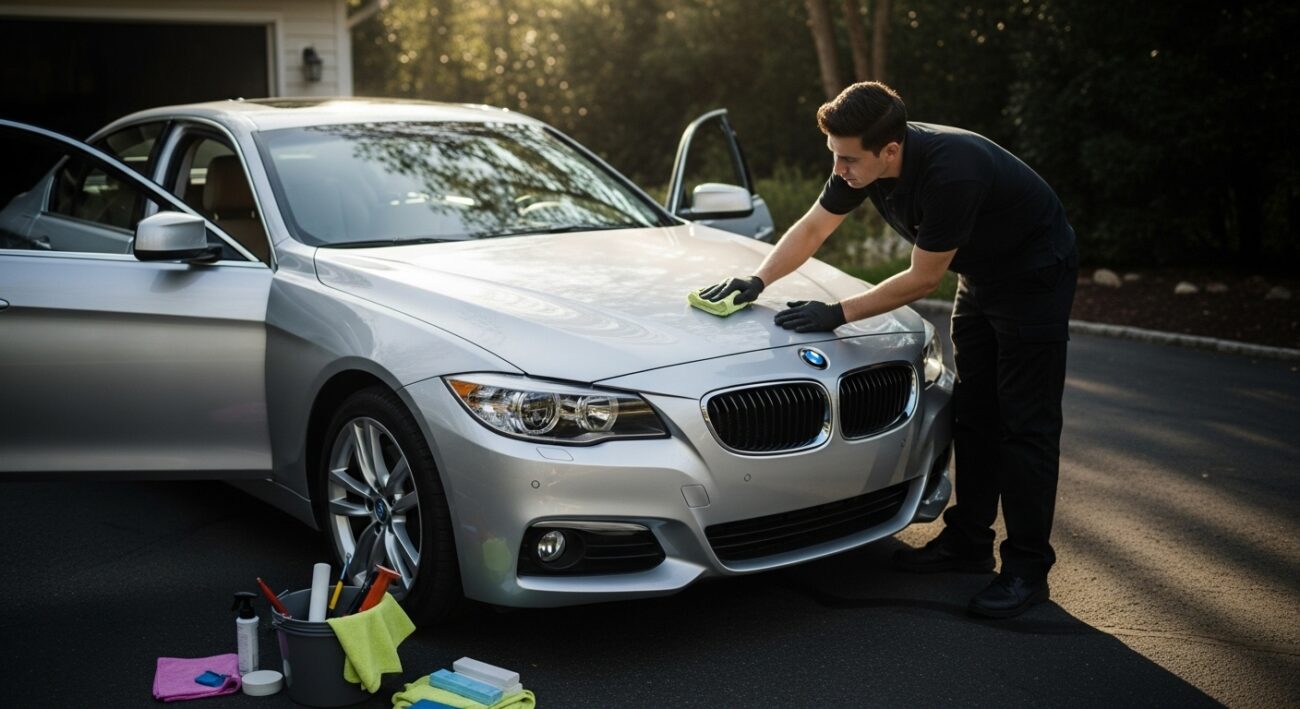
A car wash is normally an automated system that a car passes through to clean the exterior. In contrast, professional car detailing is always done by hand and includes both exterior and interior car detailing services. While a car wash might take a few minutes, detailing usually takes a lot of time and involves detailed touch-ups to repair the car’s paintwork and its overall look.
Benefits of Professional Car Detailing
Professional car detailing offers several important benefits beyond appearance alone.
- Enhanced Appearance – Detailing can restore gloss, improve clarity and significantly improve the overall presentation of a vehicle.
- Protection – Professional detailing helps protect paintwork, interior surfaces and trim from everyday wear and environmental contamination.
- Value Retention – Maintaining a vehicle through regular detailing can help preserve its condition and support stronger resale value over time.
Professional Car Detailing Tools and Products
Professional detailers use specialist tools and products that are not typically found in household cleaning kits. These include pH-neutral shampoos, microfiber towels, detailing brushes, steam cleaners, machine polishers, paint-safe decontamination products and protective coatings. Using the correct products is essential because different vehicle surfaces require different treatment methods. Paintwork, leather, plastics, carpets, glass and exterior trim can all be damaged if incorrect products or techniques are used. Professional-grade detailing equipment allows for safer cleaning, better paint correction results and longer-lasting protection compared with standard consumer products.
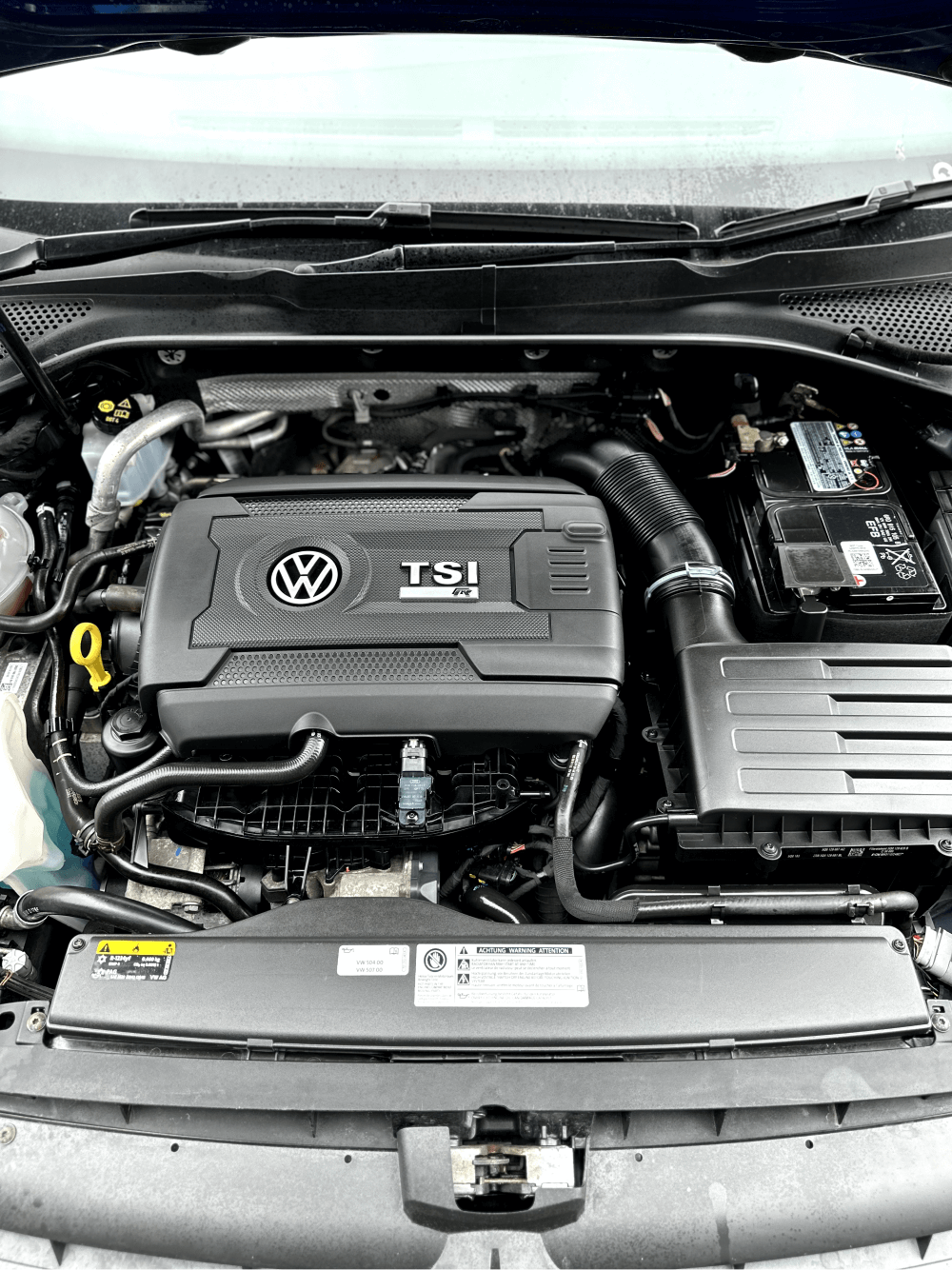
How Professional Car Detailing Is Performed
Pre-Detailing Preparation
Before any professional detailing work begins, the vehicle is assessed to identify contamination, paint defects, interior wear and areas requiring specialist attention. This helps determine the most appropriate cleaning, restoration and protection process for the vehicle.
Interior Detailing Steps
- Vacuuming: Start by vacuuming the seats, carpets, and all other interior surfaces to remove loose dirt and debris.
- Cleaning Surfaces: Use appropriate cleaners for different surfaces like leather, plastic, and vinyl. Wipe down the dashboard, console, and door panels.
- Glass Cleaning: Clean the interior windows with a glass cleaner to ensure a streak-free finish.
- Conditioning: Apply conditioners to leather seats and other applicable surfaces to keep them supple and protected.
- Final Touches: Inspect the interior for any missed spots and touch them up as needed.
Exterior Detailing Steps
- Washing and Drying: Professional exterior detailing typically begins with a thorough pre-wash to loosen dirt and contamination before the vehicle is carefully hand washed using safe wash methods. Attention is given to areas often overlooked during routine cleaning, including door shuts, wheel faces, wheel arches, trims and exterior glass.
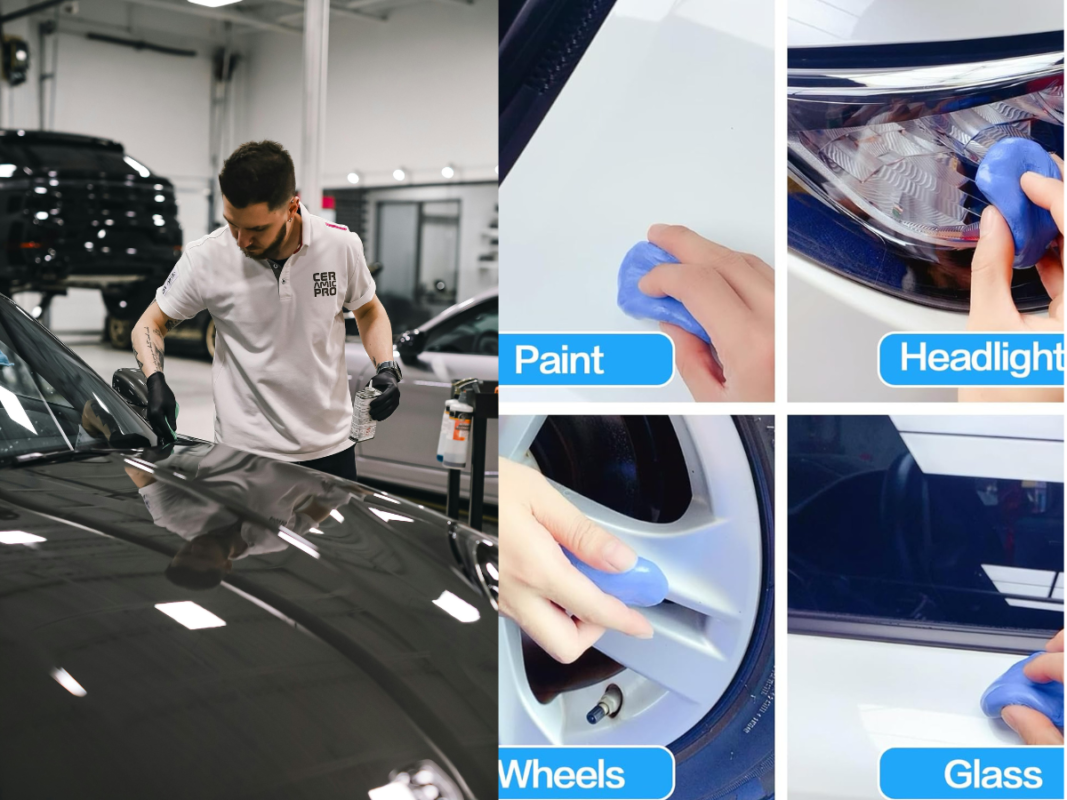
- Claying: Use a clay bar to remove impurities, overspray, and other residues that cannot be removed with normal detergents.
- Polishing: Polish the car to remove minor scratches and enhance the paint’s shine.
- Waxing: Apply a coat of wax to protect the paint and give it a glossy finish.
- Detailing the Trim: Clean and protect the exterior trim, including plastic and rubber parts.
- Final Inspection: Conduct a final inspection to ensure every part of the car is spotless and protected.
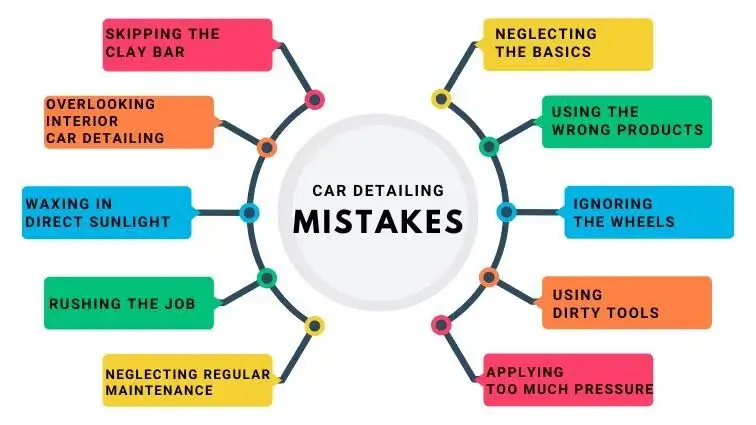
Common Car Detailing Mistakes
Using Incorrect Products
One of the most common mistakes in car detailing is using the wrong cleaning fabric or the same fabric for every surface. Using incorrect products can cause damage to your car’s paint, interior, and other surfaces. Always ensure you are using the right product for each specific area of your vehicle.
Skipping Steps
Detailing is a meticulous process, and skipping steps can lead to subpar results. For instance, using the same bucket for soap and rinsing can cause cross-contamination, leading to paint swirls and other issues. Always follow a structured process to ensure the best results.
Neglecting Regular Maintenance
Regular maintenance is crucial for keeping your car in top condition. Neglecting routine cleaning and protective measures can lead to long-term damage. It’s essential to maintain a consistent detailing schedule to preserve your vehicle’s appearance and value.
Working too fast without taking the time necessary to complete the task properly is a common mistake. Slow and methodical work is essential to achieve optimal results with any detailed procedure.
Professional Car Detailing vs DIY Detailing
Pros and Cons of Professional Detailing
While DIY detailing can improve the appearance of a vehicle, professional detailing provides access to specialist equipment, paint correction experience and professional-grade protection products. This often results in a higher-quality finish, safer cleaning methods and longer-lasting protection.
Pros:
- Skilled professionals
- Attention to detail
- Personalised service
- Quality assurance
- Eco-friendly practices
Cons:
- Higher cost
- Need for scheduling
Pros and Cons of DIY Detailing
DIY car detailing can be a cost-effective alternative, allowing car owners to maintain their vehicles at their convenience. It also provides a sense of accomplishment. However, it requires time, effort, and the right tools and products.
Pros:
- Cost-effective
- Convenient
- Sense of accomplishment
Cons:
- Time-consuming
- Requires effort
- Need for proper tools and products
How To Maintain Your Car Between Detailing Appointments
Routine Cleaning Tips
To keep your car looking its best between professional detailing sessions, establish a regular cleaning routine. This includes vacuuming the interior, wiping down surfaces, and washing the exterior. Regular cleaning prevents dirt and grime from building up, making each subsequent detailing easier and more effective.
#1. Protective Measures
Implementing protective measures can significantly prolong the cleanliness and condition of your car. Use seat covers and floor mats to protect the upholstery and carpets. Applying a quality wax or sealant to the exterior can shield the paint from environmental damage. Additionally, parking in a garage or shaded area can prevent UV damage and keep your car looking newer for longer.
#2. When to Schedule Your Next Detail
It’s generally recommended to schedule a professional detailing session every four to six months. However, the frequency can vary based on your driving habits and environmental conditions. Regular detailing ensures that your car remains in top condition, both inside and out. If you go too long without detailing, dirt and residues will accumulate, making it more challenging and costly to clean.
Consistent maintenance and preventive measures are crucial to preserving the cleanliness and appearance of your car’s interior. By following these tips, you can enjoy a clean and comfortable driving environment for years to come.
Regular maintenance between detailing appointments helps preserve your vehicle’s appearance and makes future detailing more effective. Following safe washing practices and protecting the paintwork can help maintain results for longer.
Professional Car Detailing Services in West London
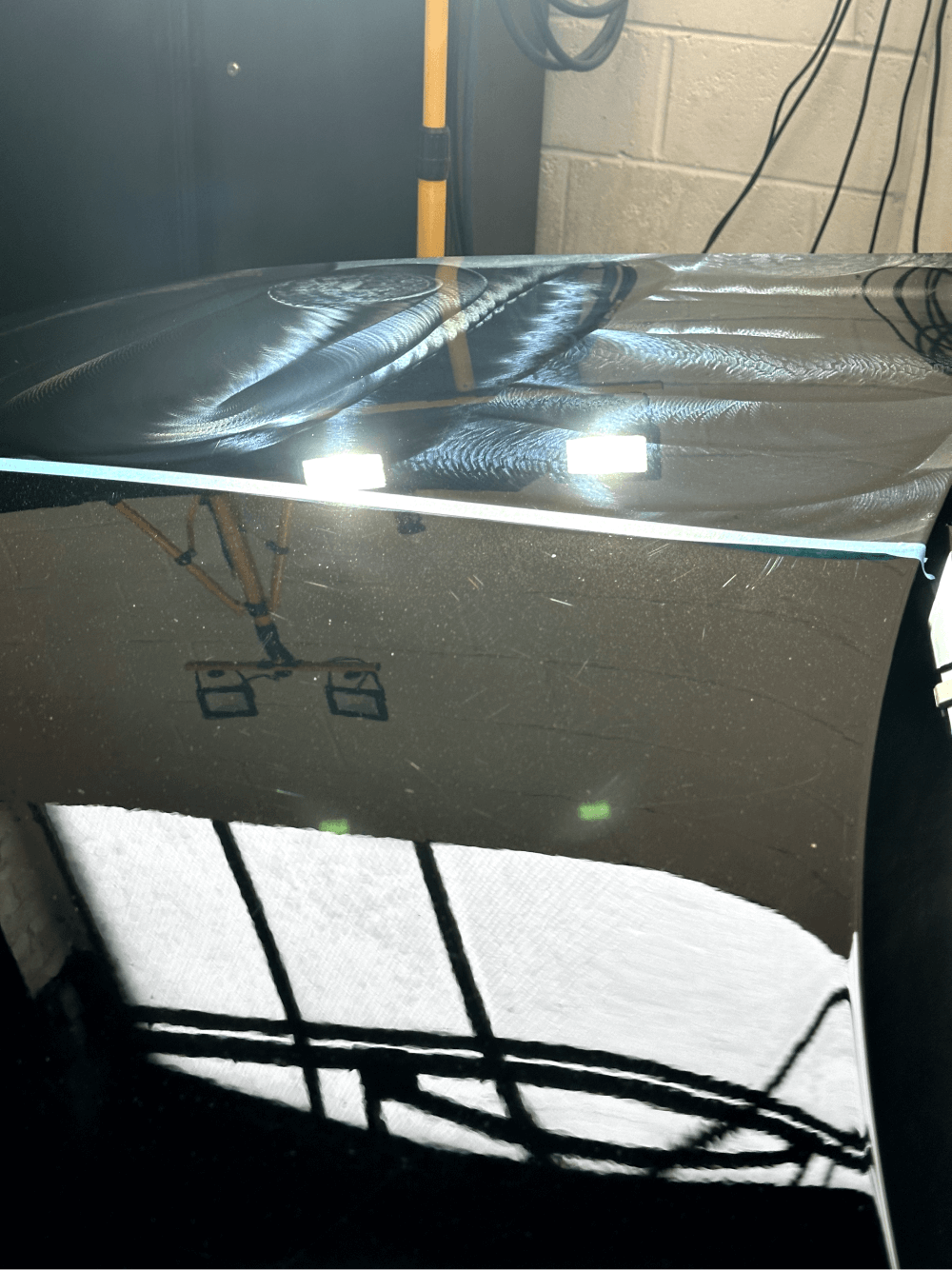
QC Detailing provides professional car detailing services throughout West London, Hounslow, Windsor, Surrey and Berkshire. Every vehicle receives an individual assessment to determine the most suitable detailing approach, whether that involves interior detailing, paint correction, ceramic coating preparation or long-term paint protection. Our aim is not simply to clean vehicles but to restore, protect and preserve them using professional-grade products and proven detailing techniques. Contact QC Detailing today for a free quotation and expert advice on the best detailing service for your vehicle.
Conclusion
Professional car detailing is about more than making a vehicle look clean. It is a structured process designed to restore, protect and maintain both the interior and exterior of your vehicle. Whether your car needs interior detailing, paint correction, ceramic coating preparation or regular maintenance, choosing the right detailing service can help preserve its appearance and long-term value. For professional car detailing across West London, Hounslow, Windsor, Surrey and Berkshire, contact QC Detailing for a free quote.
Frequently Asked Questions
What is car detailing?
Car detailing is the process of making a vehicle look as close to ‘brand new’ as possible, both inside and out. It involves thorough cleaning, minor defect correction, and protective measures.
How is car detailing different from car washing?
Car washing typically involves an automated system to clean the exterior of the car, while car detailing is a more comprehensive process that includes handwashing by experienced detailers and focuses on both the interior and exterior of the vehicle.
What are the benefits of car detailing?
Car detailing helps protect your interior finishes and exterior paint, removes smells and stains, and retains the resale value of your car. It also makes your vehicle look its best.
What tools and supplies are essential for car detailing?
Essential tools and supplies for car detailing include a vacuum cleaner with attachments, microfiber towels, soft-bristle brushes, all-purpose cleaner, upholstery cleaner, leather cleaner and conditioner, glass cleaner, interior protectant, and an air compressor or canned air for hard-to-reach areas.
Can I detail my car myself, or should I hire a professional?
Both options have their pros and cons. DIY detailing can save money and be satisfying, but it requires time, effort, and the right tools. Professional detailing ensures high-quality results but can be more costly.
How often should I get my car detailed?
It’s recommended to detail your car every 4-6 months to keep it in optimal condition. However, the frequency can vary based on your driving habits, environmental factors, and personal preferences.